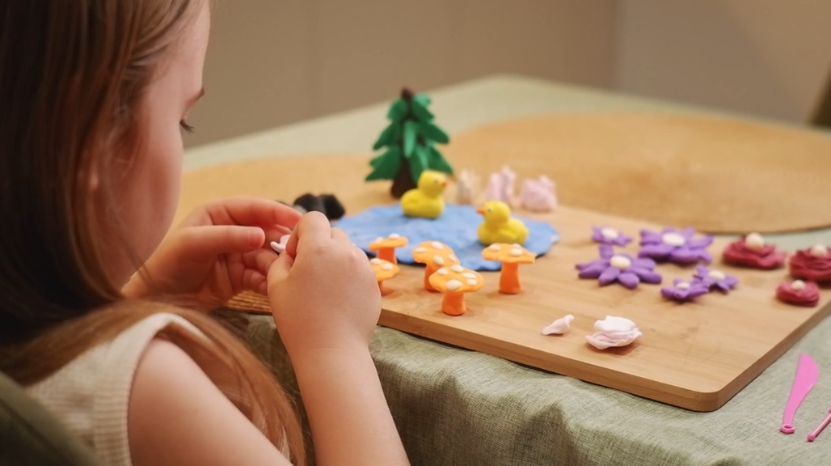
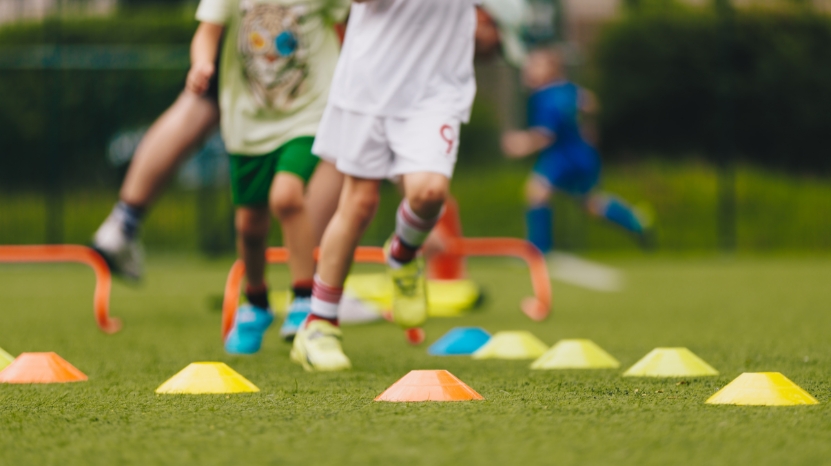
After-school hours offer a powerful window for skill-building and emotional growth, not just a break in the day.
Child-development experts highlight how structured and semi-structured activities help children relax, socialize, and engage in meaningful experiences that support brain development and overall well-being.
Research points to several consistent benefits of thoughtful afterschool engagement:
- Improved school attendance
- Higher confidence and self-esteem
- Stronger emotional regulation and resilience
- Skill development across physical, cognitive, and social areas
Balanced scheduling plays a central role. Too much structure can drain energy, while free play, creativity, and time outdoors support healthy development.
1. Creative Arts & Crafts
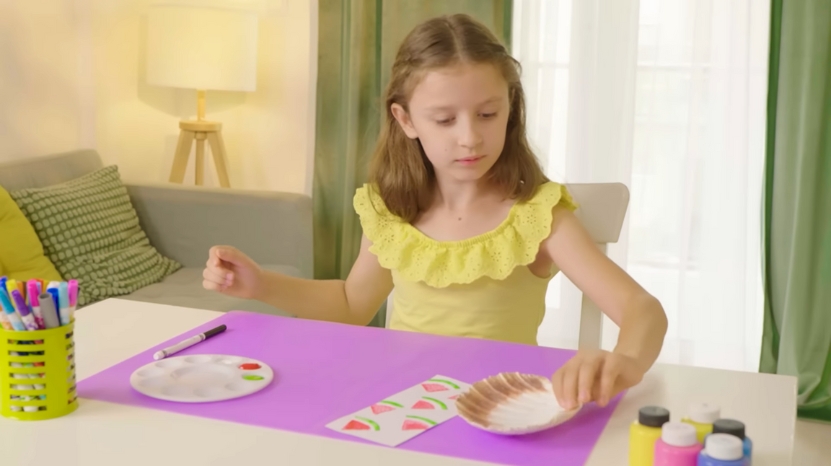
Hands-on art opens space for imagination, experimentation, and emotional expression while building essential physical and cognitive abilities.
Kids gain confidence as they turn simple materials into meaningful creations, and they learn how ideas can take shape through effort and exploration.
Cutting, gluing, drawing, molding, and painting strengthen fine motor control and support problem-solving. Kids learn how to adjust tools, manage materials, and make decisions about colors, shapes, and structures.
Each small artistic challenge encourages adaptability, patience, and a willingness to try new approaches.
Planning an art project invites executive-function growth, guiding kids to sequence steps, organize materials, and follow through on their intentions.
Creative work allows children to revise ideas, respond to surprises, and practice flexible thinking.
Artistic play becomes a safe setting for expressing feelings, building confidence, and discovering individual preferences.
2. Archery
Archery offers a calm, structured activity ideal for kids who appreciate precision, quiet concentration, and focused practice.
Kids learn to set targets, both literal and personal, and they gain satisfaction as their skills gradually strengthen.
Sessions at supervised ranges or youth clubs introduce goal-setting habits, physical control, and steady improvement.
Kids come to appreciate consistency, patience, and mindful repetition as essential parts of the activity.
Areas of impact include:
- Sharper hand-eye coordination
- Improved mental focus and emotional balance
- Growth in self-discipline and controlled breathing
- A sense of direction for kids who prefer quiet, concentrated activities
Strategic thinking emerges naturally as kids adjust their stance, align their posture, manage tension, and analyze each shot.
Archery supports both physical and cognitive development by linking careful planning with confident execution.
Looking for local places to start? Explore top-rated Massachusetts archery ranges to find beginner-friendly facilities and youth programs near you.
3. Swimming
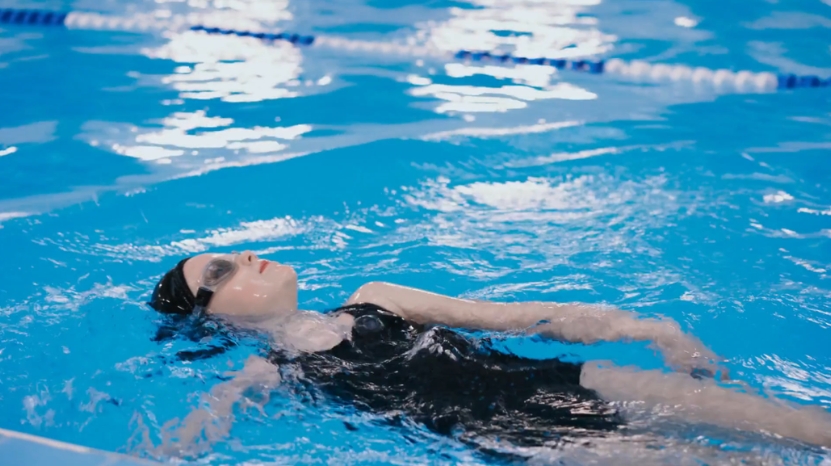
Swimming builds independence, strength, and confidence through structured lessons and team practices.
Kids move through the water with increasing control, learning how breath, body position, and technique work together.
Repetition encourages a steady sense of progress that motivates continued effort.
Water-based activity encourages calm focus and stress relief. Rhythmic movement helps kids reset emotionally and regain clarity after a long school day.
Key gains include:
- Enhanced breath control and overall strength
- Rising confidence as skills build over time
- Stronger discipline through repetition and technique work
- Support for emotional regulation through rhythmic movement
Progress in the water often inspires pride, helping kids recognize the rewards of persistence and consistent effort.
Located in Western Massachusetts? Consider enrolling your child in Springfield swimming lessons.
4. Sports and Physical Activities
View this post on Instagram
Sports provide a powerful outlet for energy while guiding kids toward stronger discipline and emotional balance.
A range of activities, such as soccer, dance, martial arts, biking, and team-based games, offers varied ways to move, learn, and grow.
Active participation helps kids handle pressure with greater confidence. Moments of progress, even subtle ones, reinforce internal motivation and show children how effort leads to improvement.
Confidence builds naturally as they see themselves run faster, move with more coordination, or understand strategy more clearly.
Cooperation expands as kids coordinate with teammates and follow shared expectations. Rule-based play strengthens self-control, fairness, and patience.
Interactions on the field or in the studio teach them how to communicate, encourage peers, and stay composed when the pace picks up.
Challenges play a valuable role by inviting resilience. Kids learn to recover after losing a game, missing a goal, or struggling with a new skill.
5. Music and Performing Arts
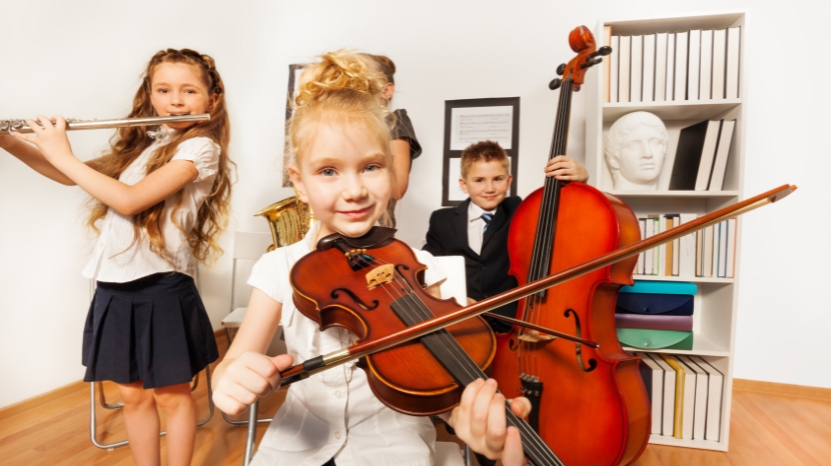
Music and performance activities engage the brain in powerful ways.
Playing an instrument, singing, acting, or participating in structured dance sharpens timing, memory, and language-based skills.
Kids learn how consistent practice leads to steady improvement, boosting confidence as abilities grow.
Performance-based experiences encourage expression and help kids manage feelings. Standing in front of an audience strengthens courage and communication skills.
Kids learn to channel nerves into focused effort, which supports long-term emotional growth.
Areas where kids benefit include:
- Sharper memory and improved attention
- Reduced anxiety through expressive outlets
- Stronger communication and public-speaking ability
- Greater persistence through repeated practice
Repeated skill practice builds whole-brain engagement, giving kids tools to refine discipline, stay patient, and manage stage-related challenges with increasing confidence.
6. Reading and Book Clubs
@emilyscottjames Book club #childrensbooks #kidsbooks #bookclub #childrensbookclub ♬ original sound – Emily Scott James
Reading after school gives kids a quiet and meaningful way to stretch imagination, strengthen thinking skills, and connect with ideas.
Stories invite reflection and build empathy as kids consider motivations, emotions, and perspectives.
Independent reading, trips to the library, and small-group book conversations promote richer vocabulary, stronger comprehension, and clearer communication.
Discussions teach kids to listen, share opinions, and support ideas with evidence.
Regular exposure to language remains a powerful predictor of academic progress. As kids read more widely, they gain confidence in writing, speaking, and understanding complex concepts.
7. Gardening and Nature-Based Activities
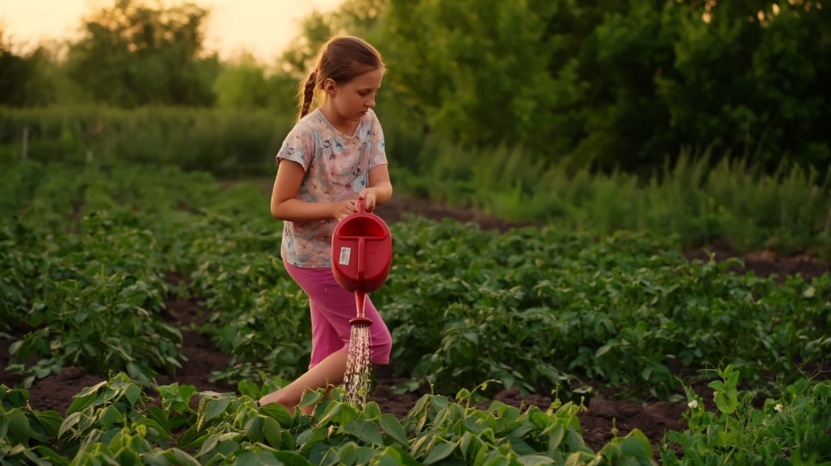
Gardening and outdoor programs encourage curiosity, responsibility, and patience. Kids learn how to care for plants, track seasonal changes, and observe natural systems with increasing detail.
Working in nature sparks calmness and curiosity, creating a soothing environment for learning.
Kids gain awareness of how small actions lead to gradual growth.
Planting seeds, watering regularly, and noticing changes teach follow-through and long-term thinking.
Outdoor adventures such as geocaching, Scouts activities, and nature walks reduce screen time and improve attention.
Regular time outdoors correlates with higher creativity and fewer attention difficulties. Kids often feel more grounded, focused, and connected when nature becomes part of their routine.
Closing Thoughts
Every child thrives through different types of activities, so variety matters.
Selecting options that build both skills and emotional growth helps kids feel capable, motivated, and supported.
Encouraging exploration ensures they find interests that spark enthusiasm and self-confidence.
Unstructured playtime, including simple park outings, also contributes measurable value by promoting independence and social connection.