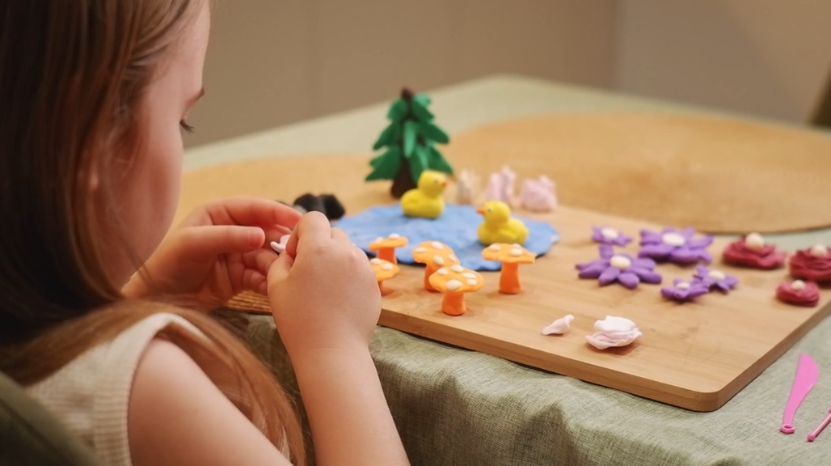
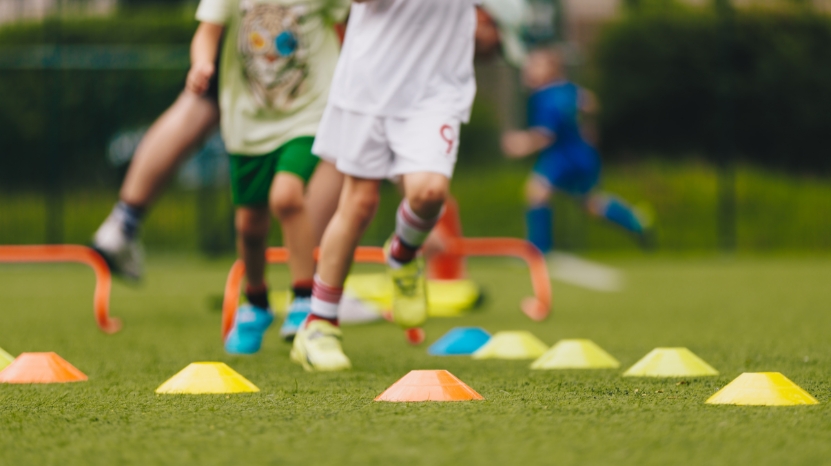
Combining sports and school successfully is not about choosing one over the other. It is about structure, communication, and realistic expectations.
Kids do best when academics and athletics support each other instead of competing for time and energy.
When the balance is done right, sports can actually improve school performance by building discipline, focus, time awareness, confidence, and resilience.
When done wrong, the result is stress, burnout, falling grades, and emotional exhaustion.
Why Sports Usually Help Schools Instead of Hurting Them
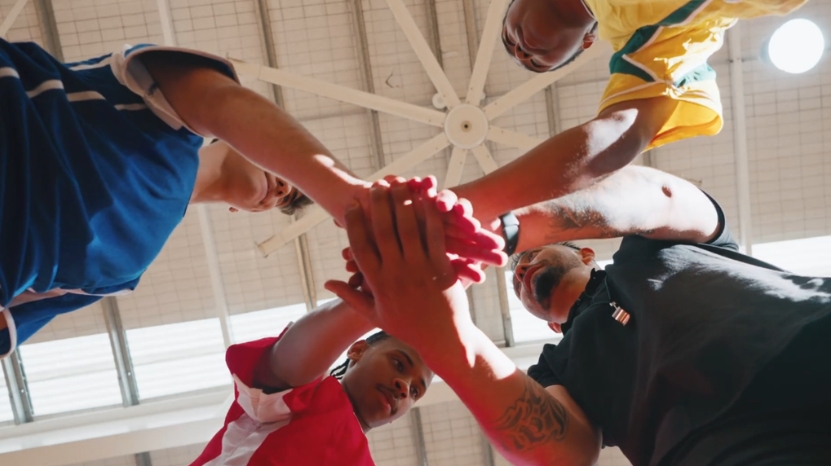
The biggest fear many parents have is that sports will steal time away from learning. In reality, moderate and well-structured physical activity usually improves academic performance.
Movement increases blood flow to the brain, improves emotional regulation, lowers anxiety, and strengthens focus during class. Children who train regularly often develop stronger routines and better time awareness than sedentary peers.
Problems appear only when training becomes excessive, chaotic, or emotionally pressured. Two hours of practice a few times per week typically improves academic output.
Daily multi-hour training with no protected rest period almost always degrades it. The issue is nearly always training volume and recovery, not the sports themselves.
Age Determines Everything About Load and Recovery
A common mistake is applying teenage training logic to young children. A schedule that feels normal for a 16-year-old can overwhelm an 8-year-old within weeks.
Younger children have higher sleep needs, lower stress tolerance, and less emotional self-regulation. Their sports schedule must be built around school, not stacked on top of it.
Safe Weekly Sports Load by Age
| Age | Typical School Demand | Safe Sports Load |
| 6–9 | Light | 2–4 hours total per week |
| 10–12 | Moderate | 4–6 hours per week |
| 13–15 | High | 6–10 hours per week |
| 16–18 | Very high | 8–12+ hours depending on season |
When a child consistently exceeds these ranges and shows stress symptoms, performance problems usually follow within weeks.
For many kids, individual sports create the healthiest balance between academics and training because they build responsibility without constant team pressure. Tennis is a strong example of this.
Structured tennis classes allow children to train with clear technical goals, limited weekly volume, and predictable schedules. This makes it far easier to protect sleep, control fatigue, and maintain steady focus at school compared to high-volume team sports that demand daily evening practices.
Daily Structure Beats Natural Motivation
Most conflicts between school and sports do not arise from a lack of drive. They come from a disorganized daily structure.
Children who wake up at different times each day, eat irregularly, train late at night, and do homework past bedtime eventually collapse under mental fatigue, even if they love their sport.
The most stable daily order for school-age athletes is simple and boring:
This order prevents late-night academic panic, protects sleep quality, and keeps stress predictable. Homework after late training almost always leads to reduced focus, emotional conflict, and shortened sleep.
Parents often underestimate how powerful routine really is. Once routines stabilize, resistance decreases naturally.
Sleep Is the Single Factor That Breaks or Saves the System
When kids struggle in both sports and school, sleep is almost always the missing pillar. Training increases the body’s need for sleep. It does not replace it.
Yet sports kids are often the most sleep-deprived group due to early school mornings, late practices, homework, and screen exposure.
Minimum Sleep Needs for Active Children
| Age | Minimum Nightly Sleep |
| 6–9 | 10–11 hours |
| 10–12 | 9–10 hours |
| 13–18 | 8–9 hours |
Sleep deprivation causes attention breakdown, emotional volatility, slow recovery, injury risk, and immune suppression. No discipline strategy can compensate for chronic sleep loss.
When parents fix bedtime, grades, and athletic consistency often improve simultaneously without changing anything else.
Parents Shape Pressure More Than Coaches Do
View this post on Instagram
Children rarely collapse under sports pressure alone. The psychological load usually comes from home expectations layered on top of training.
When love becomes conditional on success, children internalize fear instead of motivation. Performance suffers quickly after that.
Healthy families focus on process expectations, not outcome pressure. The child’s responsibility is to attend practice consistently, complete schoolwork with effort, rest properly, and act respectfully. Wins, rankings, selections, and trophies must remain consequences, not identity.
When Sports Begin to Harm School Performance
Some warning signs should never be rationalized. They are the body and nervous system signaling overload.
These include:
- Persistent exhaustion
- Sudden grade declines
- Loss of interest in learning
- Frequent irritability
- Recurrent illness
- Night sleep disturbances
When these appear, the solution is rarely stricter discipline. It is a temporary workload reduction and schedule correction.
Nutrition Quietly Decides Both School Focus and Athletic Recovery

Many children who struggle mentally in school and physically in sports are simply under-fueled. Sports increase caloric demand, fluid needs, and mineral turnover.
If meals stay random and training increases, the brain becomes the first organ to suffer.
Regular breakfast, post-training meals, hydration, and steady carbohydrate intake alone can stabilize focus and mood in many students within two to three weeks.
Homework Should Support Training Instead of Competing With It
Homework does not fail children. Poor timing fails them. Short, focused homework periods work better than long, distracted sessions.
Most students perform best with 30–45 minute focused blocks separated by brief breaks, especially on training days. When kids try to force long study sessions late at night, productivity collapses, and emotional tension rises.
What High-Performing Student-Athletes Have In Common
Across different sports, schools, and age groups, successful student-athletes share the same boring traits: stable sleep schedules, predictable meals, consistent routines, emotionally neutral feedback from parents, coaches who respect school demands, and reduced training during exam periods.
Talent matters far less than environmental stability.
Not all kids thrive inside rigid training systems. Some perform far better in sports that allow freedom, creativity, and independent pacing.
Structured skateboarding lessons give children physical skill development without the emotional intensity of competitive leagues. For students who feel overwhelmed by strict team environments, this kind of flexible training often improves confidence while preserving energy for school responsibilities.
Conclusion
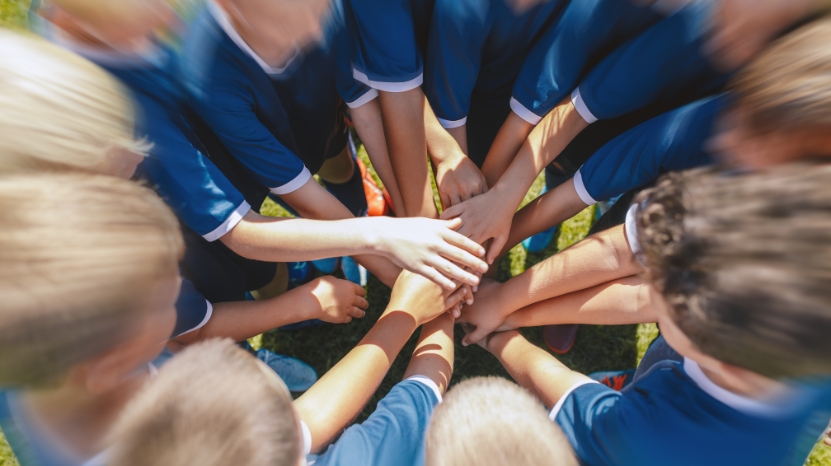
Combining sports and school successfully is not something children intuitively solve. It must be engineered by adults through sleep protection, realistic schedules, emotional safety, and workload regulation.
When these foundations exist, sports amplify academic performance instead of competing with it. Confidence grows without fear, discipline forms without burnout, and both physical and mental development move forward together.
Children do not fail because they train. They fail when overload replaces structure. When balance is designed instead of hoped for, kids do not have to choose between being strong and being smart. They become both.